
The ten professions
Ten professions: six core, two from Factions and two from Nightfall, each with a primary attribute only its own characters can use.
Guild Wars Afterlife does not add a profession. It is built for the ten that Guild Wars Reforged already ships, split across the three campaigns: six core professions available in every release, two from Factions, two from Nightfall. Because skill drafting pulls from all of them, the profession list matters more here than in a normal expansion — it is the draft pool.
New to the game? This is the page to read before anything else mechanical. Ten professions, two slots each for primary and secondary, and a set of rules about which attributes you actually get.
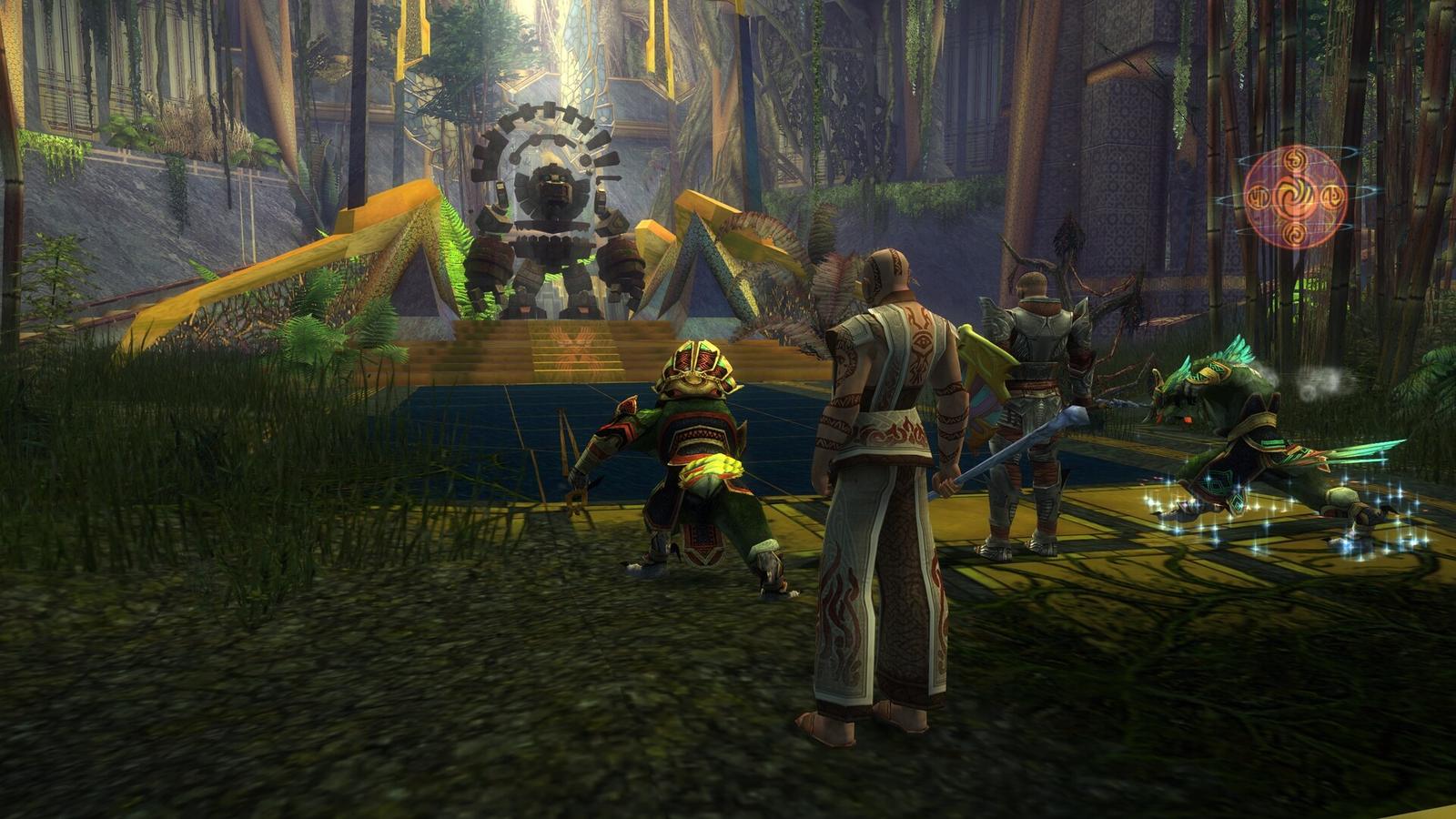
The ten professions
| Profession | Campaign | What it does |
|---|---|---|
| Warrior | Core / Prophecies | Melee front line; axes, hammers and swords; the most durable base |
| Ranger | Core / Prophecies | Bow pressure, nature rituals, pets and traps |
| Monk | Core / Prophecies | Healing and protection through Divine Favour prayers |
| Necromancer | Core / Prophecies | Curses, death magic, minion armies, energy from corpses |
| Mesmer | Core / Prophecies | Illusion and control; punishes enemy casting and energy use |
| Elementalist | Core / Prophecies | Fire, water, air and earth damage at range |
| Assassin | Factions | Dagger chains and critical strikes from the shadows |
| Ritualist | Factions | Spirits, binding rituals, weapon spells and support |
| Paragon | Nightfall | Shouts and chants that buff the whole party; spear and shield |
| Dervish | Nightfall | Scythe sweeps, self-enchantment, mobile melee |
The roles above are summaries of how the official wiki introduces each profession, not a tier list. In practice every profession has builds that break its stereotype, which is the point of the secondary profession system.
Primary, secondary, and what you actually get
Every character picks a primary profession at creation and can take a secondary later. The distinction is not cosmetic.
| Rule | What it means |
|---|---|
| Primary attribute | Only your primary profession's primary attribute is available to you |
| Secondary skills | You can use your secondary profession's skills and put points into its attributes |
| Secondary runes | You cannot use runes from your secondary profession |
| Attribute cap | Secondary attributes normally stop at rank 12 |
| Skill bar | Eight slots, filled before you enter a mission |
The primary attribute is the hard wall. A Warrior/Monk can heal, but without Divine Favour the healing is weaker than a Monk's. A Necromancer's Soul Reaping generates energy from deaths, and no secondary can borrow it. That is why "Warrior/Monk" and "Monk/Warrior" are different characters, not the same character with a different label.
Why the draft changes the maths
Afterlife's skill-drafting system offers abilities that are not limited to your primary and secondary professions. Read that against the table above and the consequence is obvious: inside the Unformed, the profession wall comes down.
That does not mean your attributes follow. A drafted Elementalist spell still keys off Fire Magic, and if your character has no Fire Magic investment, the spell will not perform like it does for an Elementalist. What drafting gives you is access, not power — options that are situational, utility-shaped, or cheap enough to be worth a slot even at low rank.
This is also why the DLC can be played by any character. The starting loadout and the draft supply what your build does not, so a Warrior is not locked out of the run's interesting choices.
Which professions to learn first
Preparing for Afterlife rather than starting from scratch, three things are worth knowing about the roster.
The core six cover every role. Warrior, Ranger, Monk, Necromancer, Mesmer and Elementalist give you a front line, ranged damage, healing, control, minions and elemental nukes. A player who understands those six can read most draft offers.
Factions and Nightfall add specialists. Assassins and Ritualists are Canthan; Paragons and Dervishes are Elonian. They are available to any account that owns Reforged, but their skills are the ones players are least likely to recognise if they only played Prophecies.
Every profession has a primary attribute worth reading. Even if you never play it, knowing what Divine Favour, Soul Reaping or Energy Storage does tells you whether a drafted skill will be strong in your hands.
Reading the store tags
The Afterlife store lists the same genre and feature tags as Reforged: single-player, multiplayer, MMO, PvP, online PvP, co-op, online co-op, full controller support, in-app purchases and family sharing. Ten professions, three campaigns and a shared account are what those tags describe. The DLC does not add a class, a race or a new campaign faction to that list.
For the mechanical side of drafting rather than the roster, read skill-drafting combat. To know which characters can enter the dungeon, the answer the announcement gives is any of them — the Unformed strips progression and inventory, so the run is decided by the loadout and the draft rather than by the gear in your bags.
Checked 2026-11-05 against the Guild Wars Wiki profession and secondary profession entries, the Reforged Steam store page (app 29720) and ArenaNet's Afterlife announcement (Steam news, 2026-11-03).
Next in the dossier
- Xotecha and the Mists — The island, the dream-jungle and the setting's rules.
- Order of the Moonless Night — The faction you join, and its missing elder.
- The Unformed dungeon — How a run is built, and why gear stays out.