
Skill-drafting combat
A per-run system: pick a starting loadout, then draft new abilities from any of the ten professions as you progress through the dungeon.
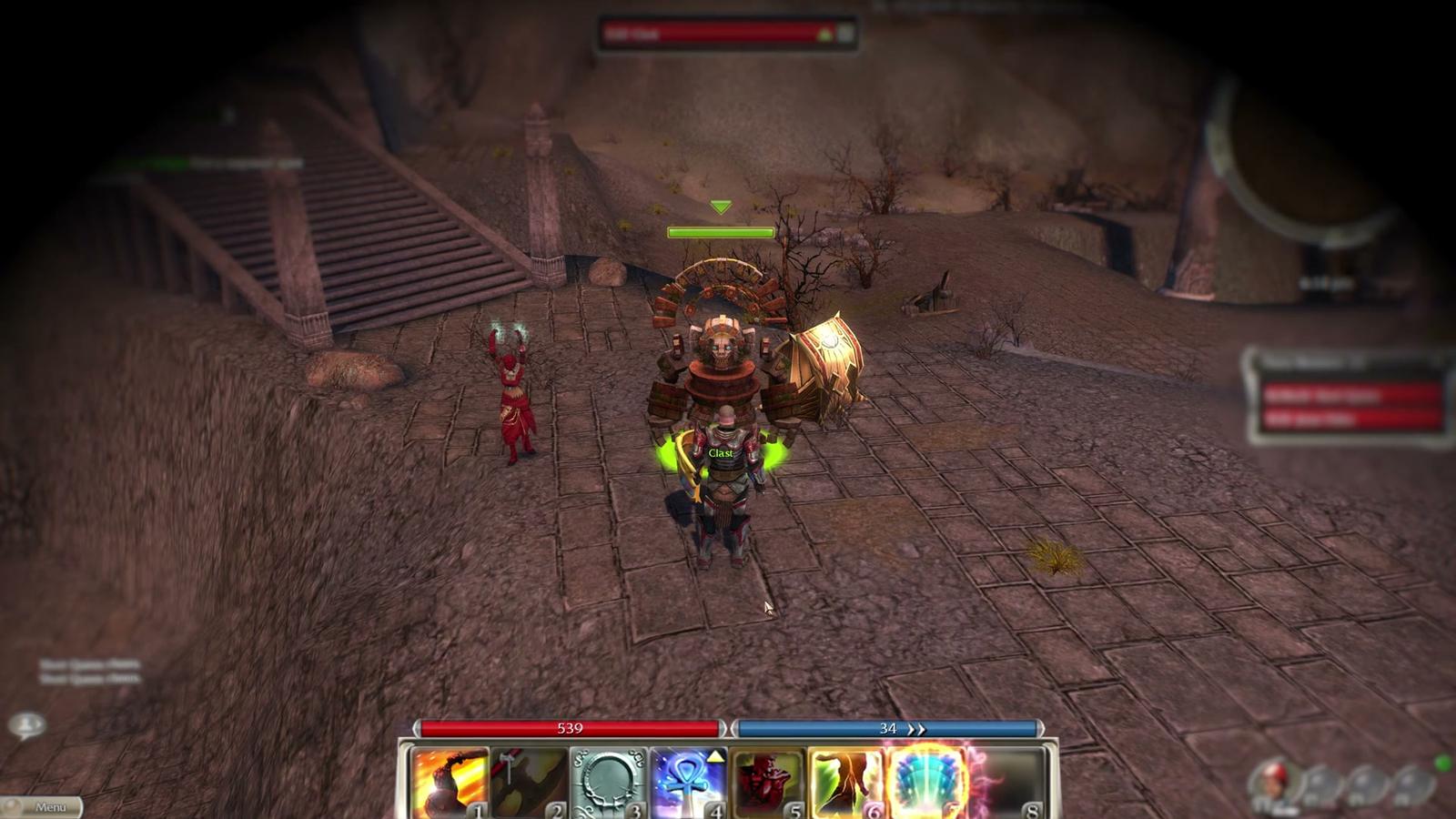
Skill drafting is Guild Wars Afterlife's replacement for build planning, and it is the change that will decide whether you enjoy the DLC. In the original game you assemble a bar of eight skills before you leave town, choosing from your primary profession, your secondary profession and whatever elites you have captured. In the Unformed you pick a starting loadout, then draft new abilities as the run unfolds — and the pool is not limited to your primary and secondary professions.
That clause is the design. Guild Wars spent twenty years teaching players that profession choice defines what they can do; Afterlife breaks that rule inside the dungeon, which is why ArenaNet calls it skill-drafting combat rather than a new skill system.
The rule that is being broken
To see why drafting is a big deal, you need the original constraint. A Guild Wars character has a primary profession and an optional secondary. The secondary gives you access to a second set of attributes and skills, but with three limits that the official wiki spells out:
| Original rule | Effect on a character |
|---|---|
| Primary attribute | Only the primary profession's primary attribute is available |
| Runes | You cannot use runes from your secondary profession |
| Attribute cap | Secondary attributes normally stop at rank 12 |
| Skill bar | Eight slots, chosen before the mission starts |
The primary attribute is the identity of a profession — Divine Favour for Monks, Soul Reaping for Necromancers, Strength for Warriors. Locking it to the primary is what stops a Warrior from being a full Monk. Drafting removes that wall inside the Unformed: the announcement says skills offered during these choices are not limited to your primary and secondary professions.
Ten professions exist in Reforged, so the pool is the entire game's skill list rather than two slices of it.
What drafting looks like in practice
The announcement gives the sequence in one sentence: after selecting a starting loadout, you'll face a unique lineup of maps, encounters, and bosses, and we're introducing a skill-drafting system that lets you choose new abilities as you progress.
So there are two decisions, not one.
| Decision | When | What you are choosing |
|---|---|---|
| Starting loadout | Before the run | The base you enter with |
| Draft picks | During the run, as you progress | Additional abilities from any profession |
The starting loadout is the anchor. Because progression and inventory evaporate in the Unformed Mists, it is the only thing you carry in, so it decides what you can do before the first offer arrives.
The picks are where runs diverge. If the offers are drawn from all professions, two players who start identically can end up with completely different bars by the second half of a run.
Why this is a roguelite, not a build guide problem
A normal Guild Wars build guide tells you which eight skills to bring and where to get them. That format does not work here, because the bar is assembled during the run from offers you do not control in advance.
What replaces it is a set of calls:
- What does this starting loadout need to survive the first encounters?
- Which draft offer covers a hole in the current bar rather than adding another damage skill?
- When is it worth taking a skill from a profession whose attributes you do not have?
That last question is the interesting one. A drafted skill from another profession is only as good as the attributes behind it, and attribute points are part of your character, not part of the draft. That tension — options that do not scale with your build — is where the depth sits.
Practice before January 13, 2027
You cannot practise the draft itself, but you can prepare for it. Three things transfer directly from the base game.
- Learn what each profession's skills do. Drafting rewards recognition. Recognising a Monk protection skill, a Mesmer interrupt or a Ritualist spirit at a glance makes the picks faster.
- Learn the eight-slot discipline. Knowing what a bar needs — a heal, a condition removal, a defensive layer, damage — is the same skill whether you build it in town or draft it mid-run.
- Play the professions you have never touched. The draft pool is not limited to your mains, so every profession you understand is a set of options you can evaluate. A Reforged account with characters across several campaigns gives you a head start on reading the offers.
One character is enough. The drafting pool is the game's, not your account's.
How this differs from skill capture
Guild Wars already had a mid-game way to gain skills: the Signet of Capture. You carried it, found a boss using an elite skill you wanted, and captured it permanently for your account. It was one of the original game's best systems because it turned bosses into shopping trips.
Drafting is not that. Drafted abilities belong to the run, offered as you progress, and the run ends. Capture built your account over months; drafting builds a bar over an hour. The two systems sit at opposite ends of the same idea: acquiring skills as a form of progression, one permanent and one disposable.
That difference is why the DLC can hand you another profession's elite without breaking the game. A permanent cross-profession unlock would rewrite twenty years of balance; a temporary one is a toy you play with and put down.
Checked 2026-11-05 against ArenaNet's announcement (Steam news, 2026-11-03), the Afterlife Steam store page (app 5149500) and the Guild Wars Wiki entries on professions and the Signet of Capture.
Next in the dossier
- Guild Wars Afterlife FAQ — Twelve short answers to the common questions.
- All guides and reading paths — Every page, with three reading routes.
- About this Afterlife guide — Who writes it, which sources it uses.